Introduction
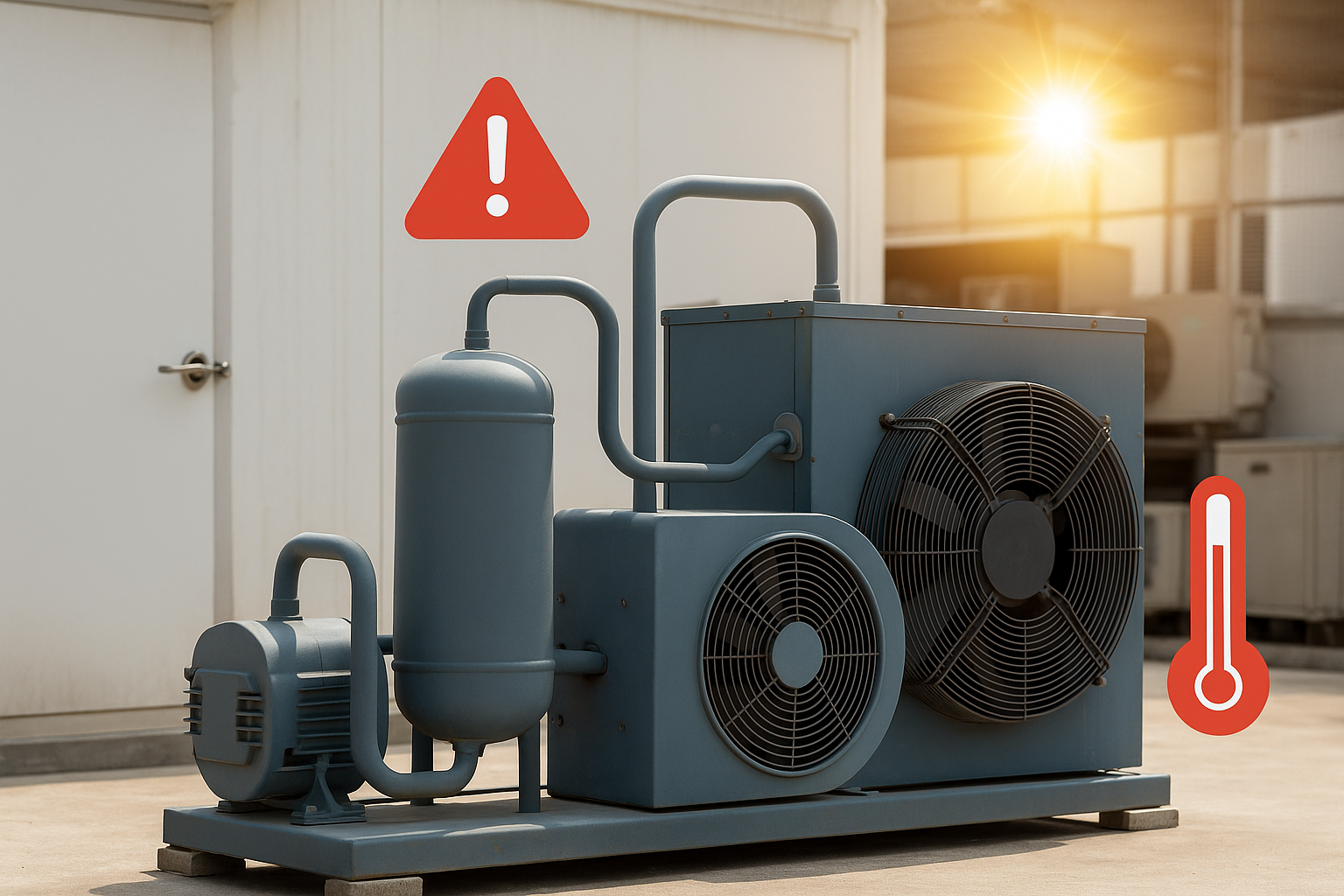
Server rooms require stable environmental conditions. Small deviations can affect performance, shorten hardware life, and cause service outages. With IoT sensors and proactive alerts, these risks are greatly reduced.
Common risks
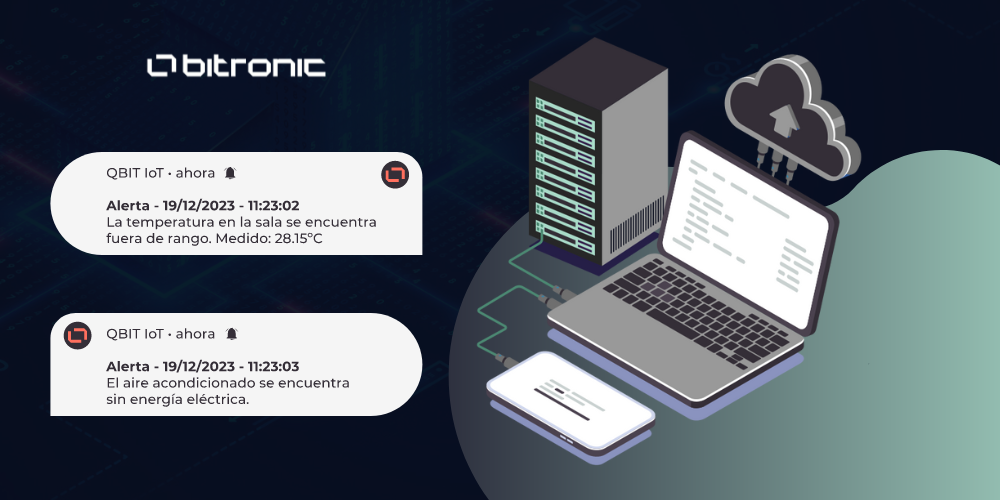
- Out-of-range temperatures due to HVAC failures.
- Inadequate humidity that promotes corrosion or static.
- Power cuts or spikes that damage servers and UPS.
Which variables to measure
- Temperature and humidity: thresholds aligned with site standards.
- Power: voltage, consumption, and grid events.
- Doors and presence: unauthorized or abnormal access.
Define minimum and maximum values and a notification time to avoid alerts caused by normal equipment oscillations.
Alerts and escalation
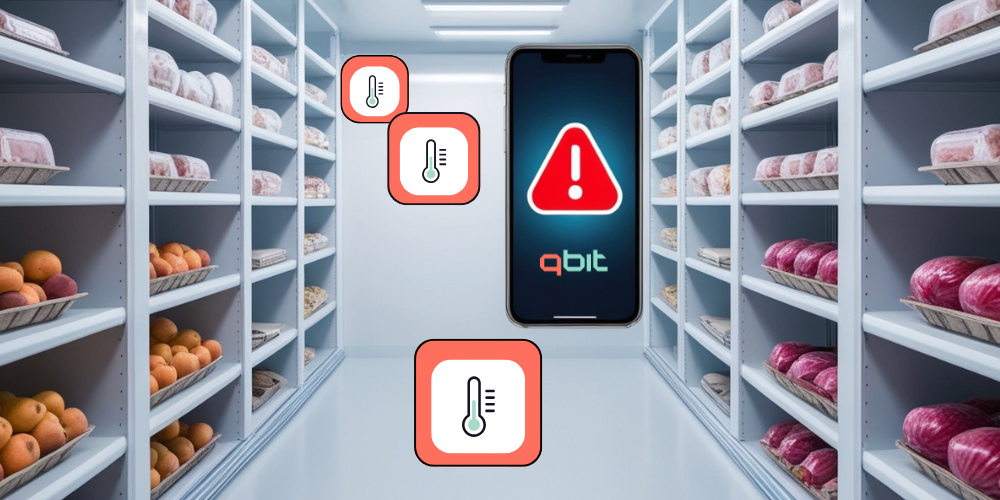
Configuring push, email, or WhatsApp alerts lets you act quickly when deviations occur. With escalation, if the event is not handled, a higher-level responsible person is notified.
Best practices
- Distribute sensors at different heights and aisles.
- Validate readings with reference thermo-hygrometers.
- Monitor UPS/panels with energy meters.
- Test alarms and log corrective actions.
Conclusion
With QBIT IoT you get continuous visibility of the room, fewer surprises, and evidence for audits. It is a direct improvement in service continuity and equipment lifespan.