Introduction
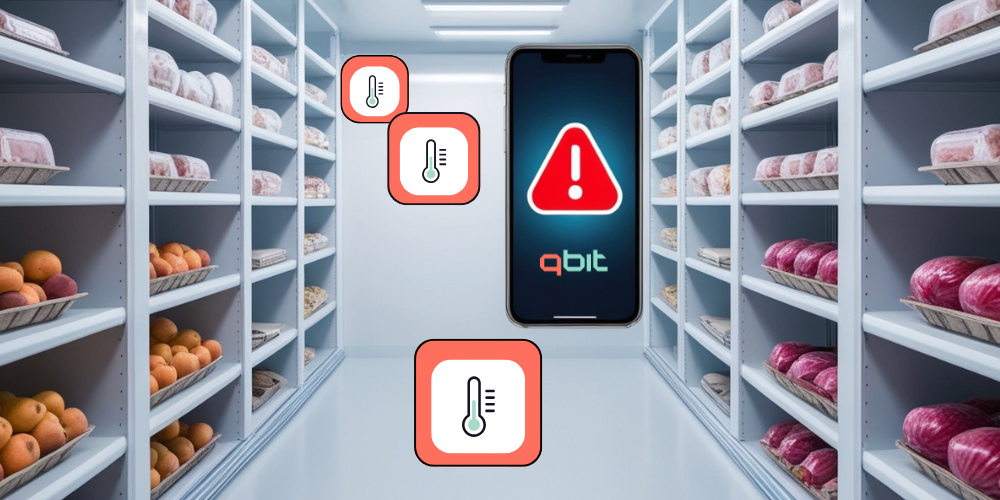
QBIT sensors are versatile devices to monitor temperature, humidity, ON/OFF states, pressure switches, emergency stops, electrical network analyzers, and more. They send data in real time to the cloud via WiFi, enabling efficient management and proactive alerts from the app or the web.
In this guide we review best practices for configuring and using these sensors with the best performance and less alert noise.
Set minimum and maximum values
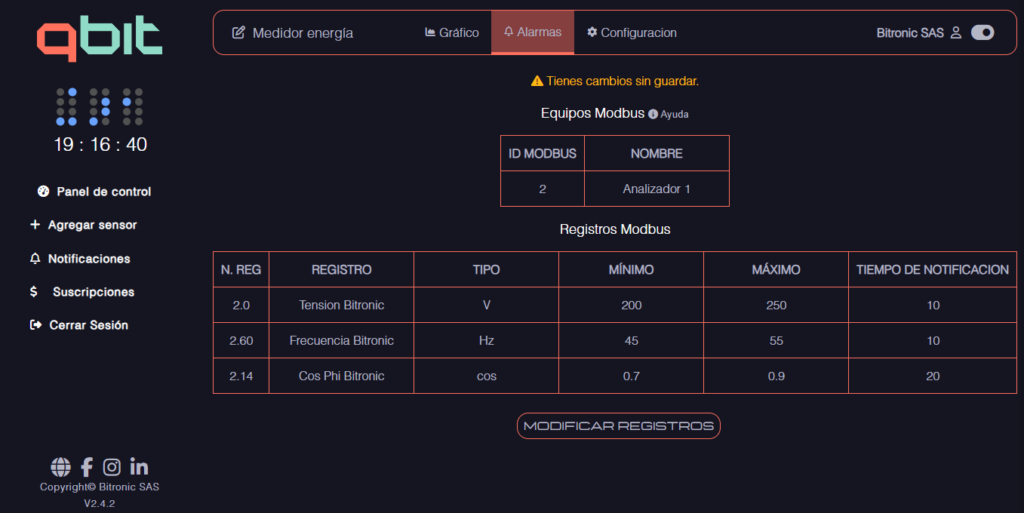
Define safe operating limits for each monitored variable. These ranges feed alarms and help distinguish real deviations from expected variations.
- Temperature: Adjust the range according to the use. In cold rooms it can go from -20 ?C to 5 ?C depending on the product.
- Humidity: In server rooms, 40-60% is usually adequate.
- Active power: Define the maximum allowed in the area to receive an alert when it is exceeded.
How to do it in the app: Enter the sensor, open "Alarms and notifications", load the minimums and maximums for each parameter and save.
Notification time (anti-noise filter)
Notification time defines how many minutes a value must be out of range before sending the alert. It is key to avoid false alarms in processes with normal variations (for example, defrost in cold rooms).
- Suggestion: 15-30 minutes in cold rooms, depending on the controller and its parameters.
- In the app: Adjust the time in "Alarms and notifications", save, and observe the behavior to refine it.
Additional best practices
- Sensor placement: Avoid direct heat/cold sources or areas with drafts that distort readings.
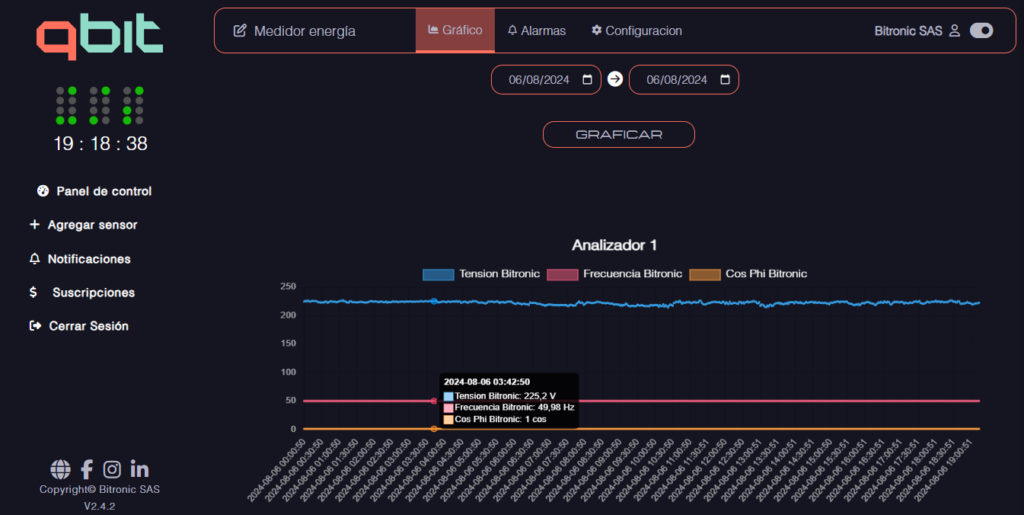
- Initial check: Validate readings with reference instruments at installation.
- Network and power: Ensure good WiFi coverage and power backup at critical points.
- Traceability: Label sensors and document what each one monitors and its thresholds.
Conclusion
With well-defined ranges, an adequate notification time, and a careful installation, QBIT sensors provide useful alerts, less noise, and reliable data to operate better.